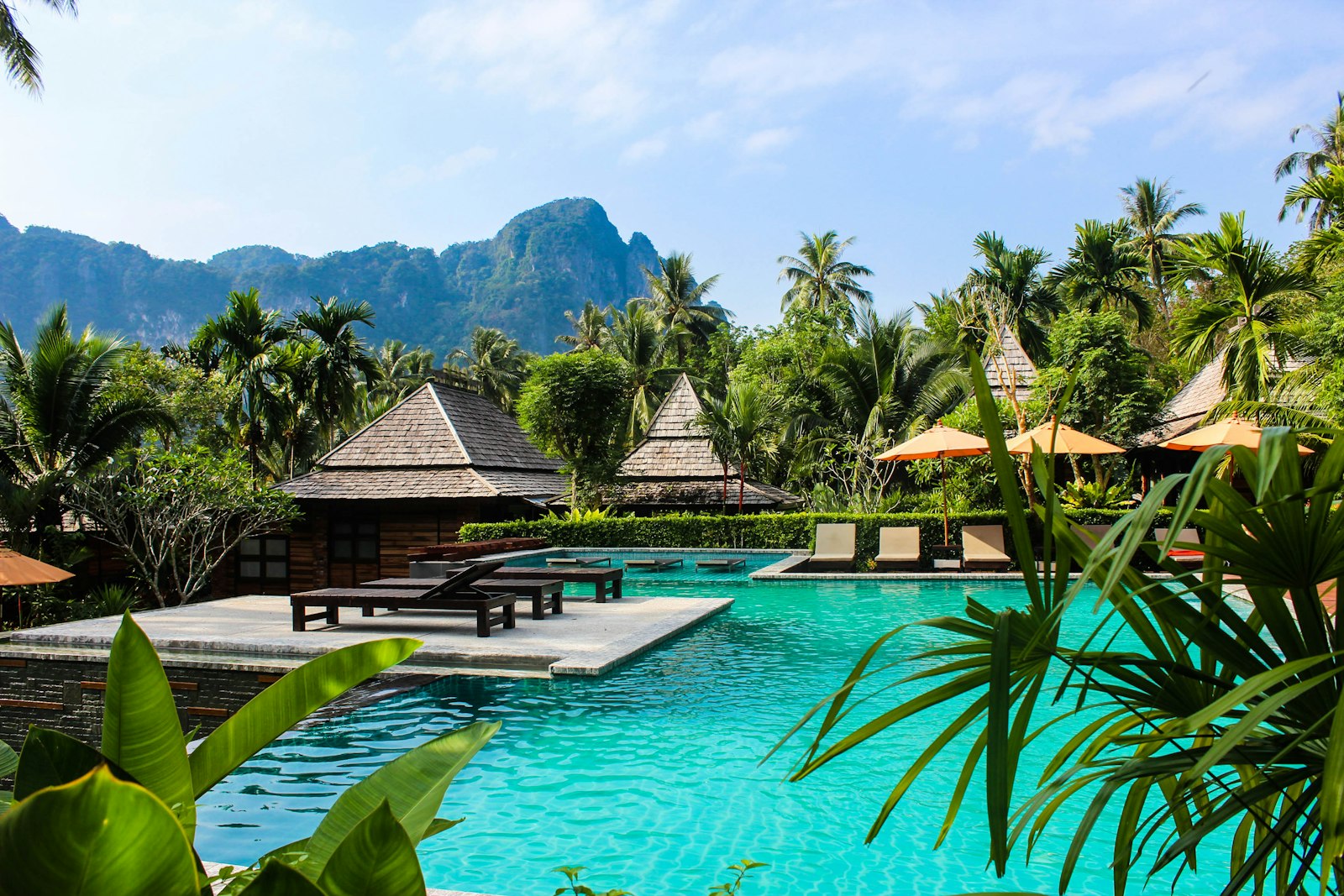
Eco-Luxury Retreats: Where Nature Meets Operational Excellence
The eco-luxury hospitality segment has emerged as one of the fastest-growing categories in global tourism. Properties that combine premium guest experiences with genuine environmental stewardship are commanding premium rates and achieving occupancy levels that outperform their conventional luxury counterparts. But the operational complexity of delivering authentic eco-luxury is significantly underestimated by most developers and operators.
Unlike conventional luxury hotels where sustainability can be layered onto standard operational practices, eco-luxury retreats require sustainability to be the foundational principle around which every operational decision is made. The guest expectation is not that the property does less harm to the environment — it is that the property actively contributes to environmental regeneration while delivering an experience that exceeds the highest luxury standards.
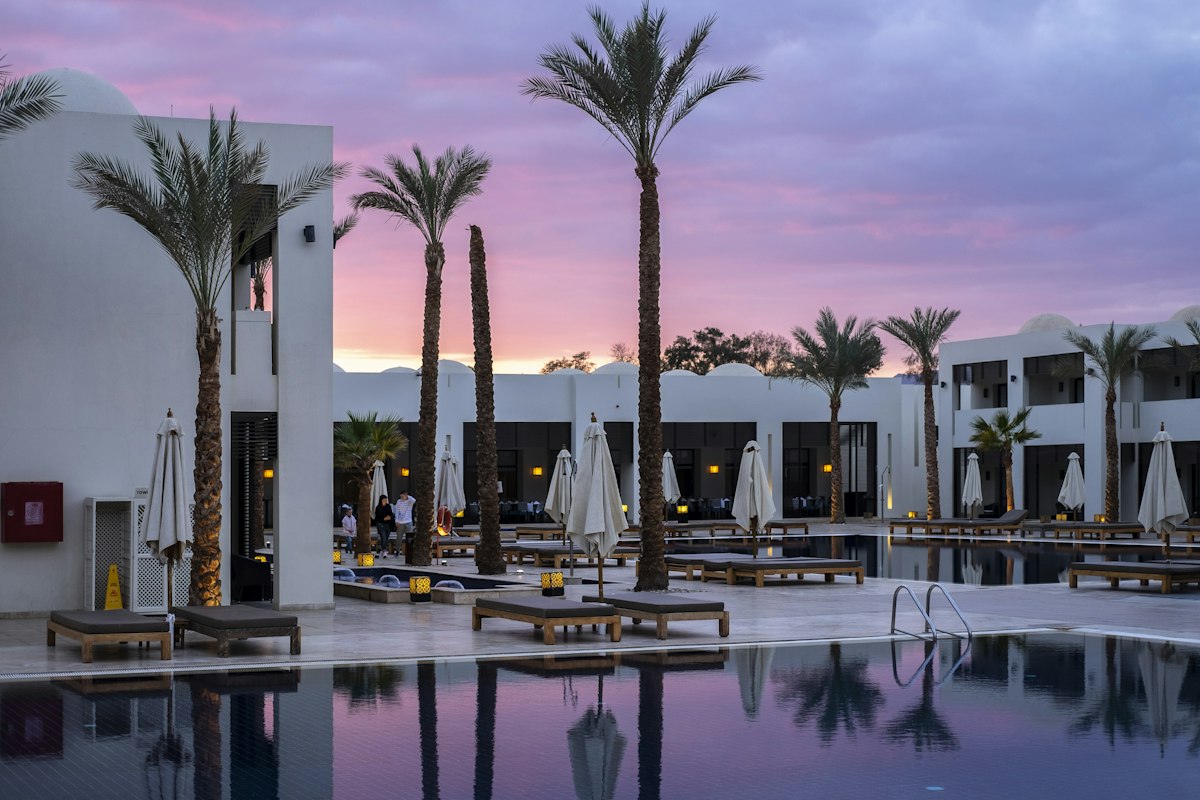
The Authenticity Imperative
Section 1
|The Authenticity Imperative
Eco-luxury guests are among the most sophisticated and well-informed travelers in the market. They have researched sustainability practices, they understand greenwashing, and they will scrutinize every aspect of the property for consistency between claims and reality. A single inconsistency — plastic straws in the bar of a property that claims zero-waste operations, for example — can undermine the entire brand positioning.
This authenticity imperative means eco-luxury properties must achieve a level of operational integration that goes far beyond what is required in conventional hotels. Every supply chain decision, every operational process, and every guest touchpoint must reflect and reinforce the property's environmental commitment.

Nature-Integrated Operations
Section 2
|Nature-Integrated Operations
Eco-luxury retreats typically operate in environmentally sensitive locations — coastal ecosystems, forest environments, mountain regions, or areas of exceptional biodiversity. This creates unique operational challenges that standard hotel management approaches are not designed to address. Waste management must account for the ecosystem impact of every waste stream. Energy systems must minimize visual and acoustic impact on the natural environment. Water management must protect local watersheds and aquatic ecosystems.
Building design and maintenance must minimize habitat disruption while meeting luxury comfort standards. F&B operations must source from local ecosystems without depleting them, often requiring close relationships with small-scale local producers and careful seasonal menu planning.

Biodiversity as an Operational KPI
Section 3
|Biodiversity as an Operational KPI
One of the most distinctive aspects of eco-luxury operations is the integration of biodiversity metrics into operational management. Conventional hotels track energy, water, and waste. Eco-luxury retreats must additionally track the health of the ecosystems in which they operate — monitoring wildlife populations, vegetation health, water quality in adjacent waterways, and the impact of property operations on local biodiversity.
This requires partnerships with environmental scientists and the implementation of monitoring systems that go far beyond standard building management technology. Properties leading in this space employ resident naturalists, conduct regular ecological surveys, and integrate biodiversity data into their operational dashboards alongside conventional sustainability metrics.
The Guest Experience Ecosystem
Section 4
|The Guest Experience Ecosystem
In eco-luxury retreats, the sustainability program is not separate from the guest experience — it is the guest experience. Guests expect to participate in conservation activities, learn about local ecosystems, and understand the environmental impact of their stay in detail. This requires a level of staff knowledge and engagement that goes far beyond standard hospitality training.
Every team member, from the guide who leads nature walks to the chef who explains the provenance of each ingredient, must be a knowledgeable ambassador for the property's environmental mission. This creates significant recruitment and training challenges but also builds a level of staff pride and engagement that drives exceptional service quality.
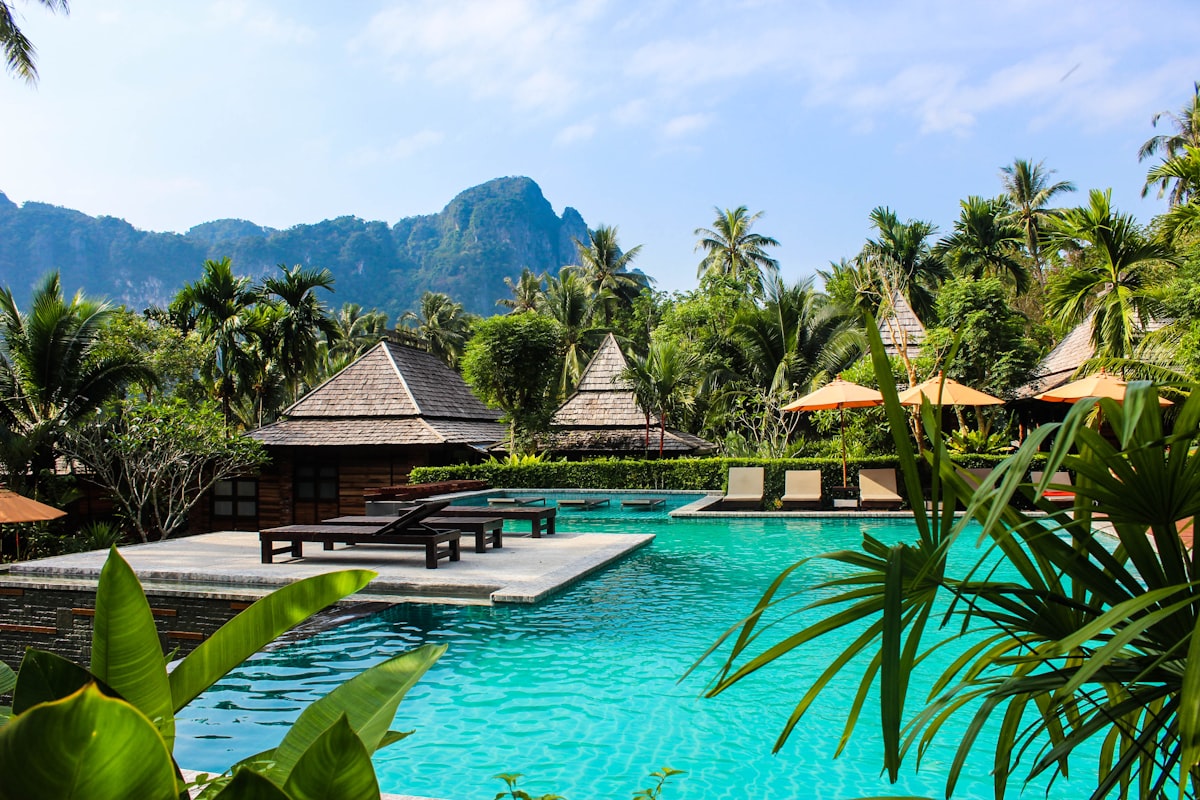
Technology for Remote Operations
Section 5
|Technology for Remote Operations
Many eco-luxury retreats operate in remote locations with limited infrastructure, creating unique technology challenges. Sustainability monitoring systems must function reliably with potentially limited connectivity. Energy management must optimize renewable sources — typically solar and small-scale hydro — that provide the majority or entirety of the property's power. Water systems must manage collection, treatment, and recycling with minimal external input.
Cloud-based platforms that can operate in low-connectivity environments while synchronizing data when connections are available are essential for these properties. The ability to monitor operational and environmental performance remotely while providing on-site teams with the tools they need for daily management is a critical technology requirement.
|The Premium Opportunity
Despite the operational complexity, eco-luxury represents one of the most financially attractive segments in hospitality. Properties that deliver authentic eco-luxury experiences command rate premiums of 30-50% over conventional luxury competitors. Guest loyalty in the eco-luxury segment is exceptionally high, with repeat visit rates averaging 40% compared to 25% for conventional luxury. And the segment continues to grow as environmental awareness increases among affluent travelers.
For developers and operators willing to invest in the operational infrastructure needed to deliver authentic eco-luxury, the rewards are substantial. The key is understanding that eco-luxury is not conventional luxury with a green veneer — it is a fundamentally different operational model that requires purpose-built systems, specialized expertise, and an unwavering commitment to environmental authenticity.
Jecoluxe Team
GreenCert by Jecoluce
The Jecoluce team builds operational intelligence and sustainability infrastructure for the hospitality industry. Our mission is to connect hotel operations, ESG performance, and guest visibility into one structured ecosystem.
Comments (3)
Leave a Comment
Sarah Mitchell
May 7, 2026This is exactly what the industry needs. We implemented operational ESG at our resort chain and saw a 22% reduction in energy costs within the first quarter. The key is integrating sustainability into daily workflows, not just annual reports.
Ahmed Al-Rashid
May 6, 2026Great insights on the technology gap. We struggled with disconnected systems for years before finding an integrated platform. The ROI has been remarkable — both financially and in guest satisfaction scores.
Elena Rossi
May 5, 2026As a sustainability consultant, I see this challenge daily. Hotels that embed ESG into operations consistently outperform those treating it as a reporting exercise. Well-written article by the Jecoluce team.